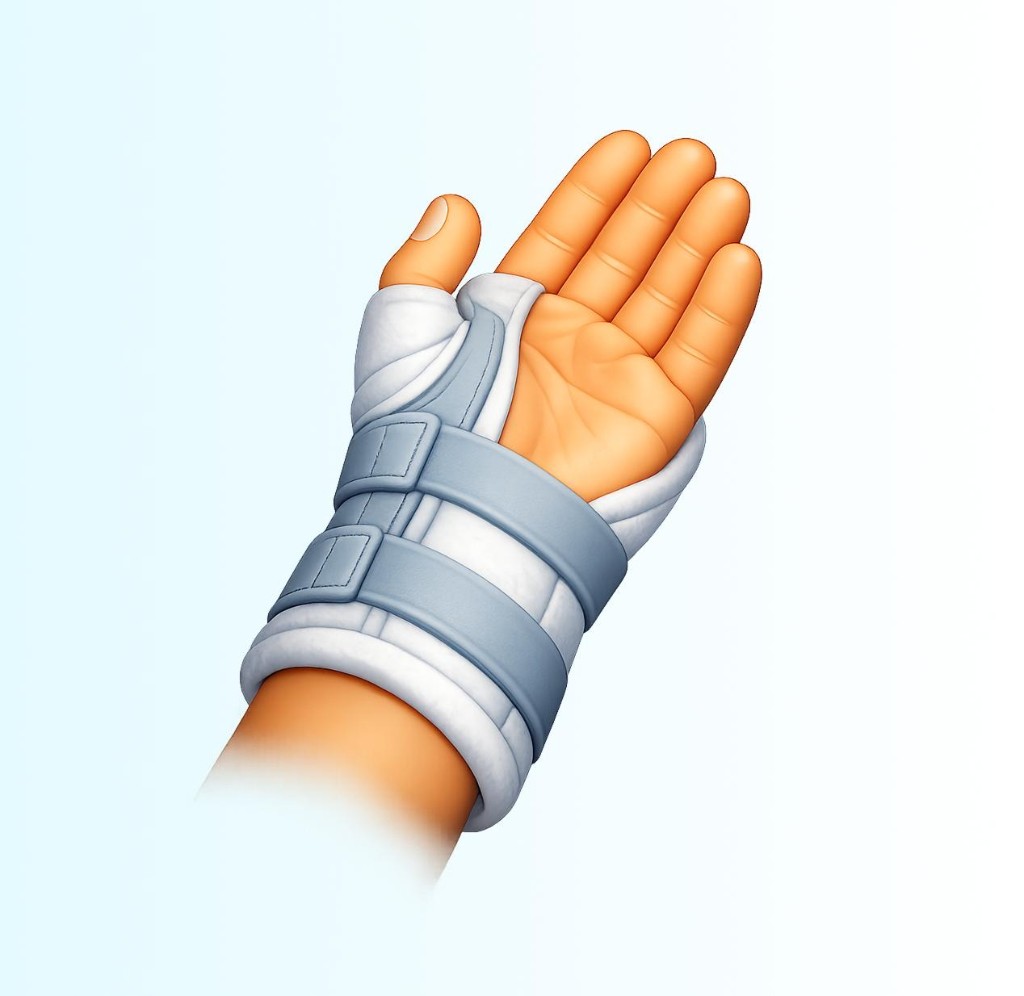
Tendon glides: why therapists prescribe them — and how to stay in a safe range
Tendon gliding sequences aim to improve tendon glide without provoking irritable tissues — dosing and stop rules matter more than “doing more.”
Read articleLong-form education that pairs with our learn library and exercise sessions: cited sources, clear safety framing, and in-app cross-links when topics overlap with conditions, splints, surgeries, or guided movements.
High-signal topics — education, not individualized medical advice.
Tendon gliding sequences aim to improve tendon glide without provoking irritable tissues — dosing and stop rules matter more than “doing more.”
Read articleNight symptoms, numbness patterns, and weakness are reasons to seek evaluation — education complements, not replaces, examination.
Read articleFrom carpal tunnel release to trigger finger procedures, many surgeries share themes: protection early, motion when cleared, and clear red flags.
Read articleDesks align with learn pages and exercise metadata in the app.
What hand therapy is, how it fits with medical care, and safe recovery habits.
1 published article
Jump to sectionEducation on common procedures, timelines, splints, and scar care — not individualized medical advice.
2 published articles
Jump to sectionNavigating visits, adherence, workforce realities, and coverage questions in plain language.
4 published articles
Jump to sectionSymptom context and self-management ideas that pair with our condition library.
2 published articles
Jump to sectionHow specific movements are used in rehab and when to pause for professional guidance.
1 published article
Jump to sectionWhat hand therapy is, how it fits with medical care, and safe recovery habits.
Education on common procedures, timelines, splints, and scar care — not individualized medical advice.
Navigating visits, adherence, workforce realities, and coverage questions in plain language.
Research on rehabilitation attendance often mixes diagnoses and settings; the honest takeaway is that life barriers matter as much as motivation.
Medicare, Medicaid, and commercial plans each use different rules; the safest approach is to verify benefits and medical necessity documentation.
Cash prices and allowed amounts vary by region and insurer; reputable sources emphasize transparency tools and billing questions rather than a single number.
National workforce statistics describe occupational therapists broadly; certified hand therapists are a narrower subset with uneven distribution.
Symptom context and self-management ideas that pair with our condition library.