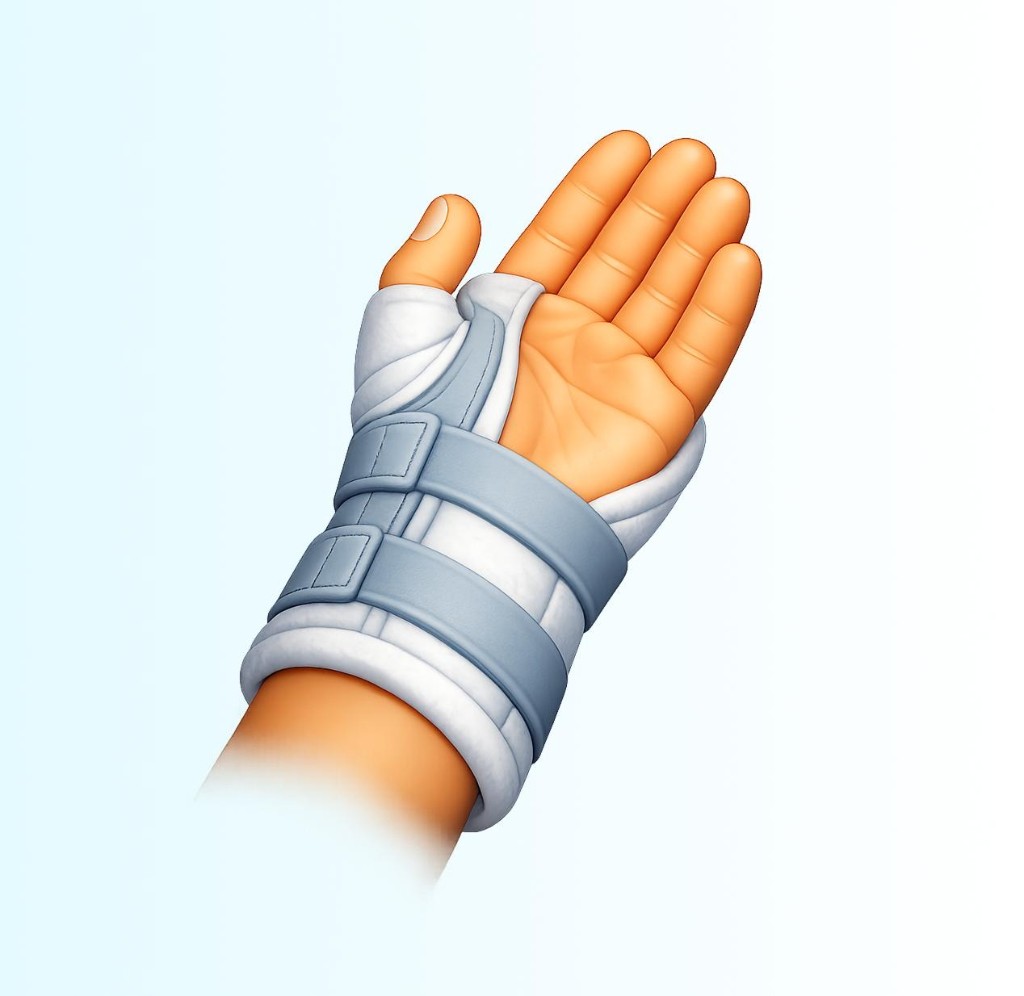
Do this exercise
1 set × 3 reps. Watch the demo and tap through at your own pace — we log your reps, holds, and how it felt.
Prefer the classic step-by-step timer?
Lie or sit comfortably. Rest the arm on pillows above heart level.
Ready when you are
We'll guide you through 5 short steps — about 60 seconds of guided motion. Pause or stop anytime — nothing is uploaded.
Have ready: No special equipment
Contraindications & stop if…
When not to do this
- Suspected blood clot
- Active infection
- Recent surgery without clearance
Stop if
- Throbbing or increasing pain when elevated
- Skin color changes
- New numbness
Prefer a quick pacing gate before the timer? Use full guided session — it asks for pain, stiffness, and fatigue in a few taps first (education only, not clearance).
Why it helps
Gentle muscle pumping with elevation supports circulation and may help manage swelling between visits.
What it should feel like
A light, pulsing effort. No throbbing or sharp pain.
Target area
Hand, wrist
Stop if you notice
- Throbbing or increasing pain when elevated
- Skin color changes
- New numbness
Get clearance first if
- Suspected blood clot
- Active infection
- Recent surgery without clearance
Instructions, dose & tipsSetup, how many to do, and common mistakes
How to do it well
Goal, setup, dose, and the things therapists most often have to repeat. This is education — not a replacement for your clinician's plan.
Before you start
- Stack pillows so the hand sits clearly above the heart.
- Stop if the hand starts to throb or color changes.
- Avoid if you suspect a blood clot — call your clinician.
Today's dose
- Reps
- 3
- Sets
- 1
- Sessions / day
- 4
- Rest
- 30s
- Pain ceiling
- 2/10
Common mistakes
- Squeezing too hard instead of gentle pumping
- Letting the hand drop below the heart mid-set
- Doing it too few times per day — frequency drives the benefit
Easier version
- Skip making a fist; just open and partly close
- Reduce to 2 sessions per day
How did this feel?
One tap. Saved as a question for your next visit when relevant — never auto-shared.